

envato-labs-image-edit

Not Everything That Hurt You Needs to Be Healed

Some things don’t need fixing. They need leaving.

There’s a narrative we rarely question.

That everything that hurts us must be healed.
That every wound deserves processing.
That pain only counts as “growth” if it’s transformed into wisdom.

So we keep digging.

We revisit memories that don’t soften.
We analyse experiences that don’t offer clarity.
We reopen wounds that our bodies have already tried to close.

And we call it healing.

The Pressure to Heal Is Often Just Another Form of Control

Somewhere along the way, healing became an obligation.

A performance.

If you’re not actively working through your pain, you’re told you’re “avoiding it.”
If you don’t forgive, you’re told you’re “stuck.”
If you move on quietly, you’re told you’ve “suppressed something.”

But here’s the uncomfortable truth:

👉 Not everything that hurt you needs your continued attention.

Some things were simply harmful.
Some experiences were simply wrong.
Some people don’t deserve to be revisited in the name of growth.

When “Healing” Becomes Self-Harm in Disguise

There is a difference between healing and ruminating.

Healing creates space.
Rumination keeps you tethered.

If revisiting an experience:
• Tightens your chest
• Dysregulates your body
• Pulls you back into old survival patterns

That’s not healing.

That’s your nervous system asking you to stop.

Reopening a wound repeatedly doesn’t make you brave.
Sometimes, it just keeps you bleeding.

You Are Allowed to Leave Things Unresolved

This part makes people uncomfortable.

But it needs to be said:

You don’t owe closure to anyone.
You don’t owe understanding to what harmed you.
You don’t owe meaning to pain that never made sense.

Closure is not always found sometimes it’s chosen.

Chosen through distance.
Through silence.
Through deciding that your life is bigger than what broke you.

Healing Isn’t About Fixing the Past

Healing is not a retroactive task.

You don’t heal by perfecting your interpretation of what happened.
You heal by changing how much power it has now.

Sometimes that looks like:
• No longer telling the story
• No longer explaining yourself
• No longer trying to “grow” from something that only took

That’s not avoidance.
That’s discernment.

The Most Radical Form of Healing Is Moving On Without Ceremony

Not all healing is emotional.
Some of it is practical.

You stop revisiting.
You stop unpacking.
You stop giving airtime to what already cost you enough.

You let the scar exist without asking it to teach you anything.

And slowly, quietly, life expands again.

Let This Be Permission

Permission to stop digging.
Permission to stop performing healing.
Permission to let some things remain unfinished.

You don’t need to heal everything to be whole.

Some things don’t need your softness.
They need your absence.

Final Words

Healing isn’t measured by how deeply you analyse your pain.
It’s measured by how free you feel to live beyond it.

Not everything that hurt you needs to be healed.

Some things just need to be left behind.

With clarity,
Annie’s Pen
Dream & Bloom by Annie

A high-end editorial

Healing Doesn’t Always Mean Forgiving Everything

Sometimes healing is choosing peace over forced understanding.

There is a quiet pressure placed on healing.

A pressure that says:
• You must forgive to move on.
• You must understand to find peace.
• You must make sense of what hurt you.

So you try.

You revisit the memory.
You replay the conversations.
You search for explanations that never fully satisfy.

And instead of feeling lighter, you feel tired.

The Lie We Were Taught About Healing

Somewhere along the way, healing became associated with forgiveness at all costs.

As if peace is only possible once you’ve:
• Released resentment perfectly
• Found empathy for those who hurt you
• Wrapped pain in a neat, acceptable narrative

But not every wound needs reconciliation.
Not every harm needs understanding.
Not every story needs closure.

Why Forgiveness Isn’t Always the Finish Line

For many women, forgiveness is framed as maturity.

But forced forgiveness often looks like:
• Suppressing anger before it’s processed
• Invalidating your own pain
• Making peace with what still feels unsafe

That’s not healing.
That’s self-abandonment disguised as growth.

Healing is not about proving how evolved you are.
It’s about restoring your sense of safety.

What Healing Can Look Like Instead

Healing can be quieter than forgiveness.

It can look like:
• No longer needing answers
• No longer revisiting the same pain
• No longer explaining your boundaries
• Choosing distance without guilt

Healing doesn’t always announce itself with relief.
Sometimes it arrives as neutrality.

And neutrality is powerful.

You Are Allowed to Move On Without Making Peace With Everything

This is something many women need to hear:

You can heal without reconciling.
You can grow without reopening wounds.
You can be whole without forgiving what harmed you.

Forgiveness may come later.
Or it may not come at all.

And that doesn’t make your healing incomplete.

The Shift That Brings Real Peace

Peace doesn’t come from rewriting the past.

It comes from no longer letting the past define how much space it occupies in your present.

You stop asking:
• Why did this happen?
And start asking:
• What do I need now?

That’s when healing becomes embodied not theoretical.

A Gentler, Truer Definition of Healing

Healing is not a performance.

It’s not measured by how kind you are to those who hurt you.
It’s not proven by how calm you appear about your pain.

Healing is when:
• Your body feels safer
• Your thoughts feel quieter
• Your boundaries feel natural
• Your life no longer revolves around what broke you

Everything else is optional.

Final Thoughts

You don’t owe forgiveness to heal.
You don’t owe understanding to move forward.
You don’t owe access to people who disrupted your peace.

Healing doesn’t require you to be endlessly gracious.

Sometimes, it simply asks you to be honest.

With warmth,
Annie’s Pen
Dream & Bloom by Annie
Gemini_Generated_Image_uf6kepuf6kepuf6k

You Don’t Need to Be Strong Right Now

Strength kept you going. But it doesn’t have to keep costing you.


There was a time when being strong saved you.

It helped you survive.
It helped you cope.
It helped you keep moving when stopping wasn’t an option.

But strength, when carried for too long, becomes heavy.

And quietly, without realising it, you start to confuse endurance with healing.

The Belief Many Women Carry (Without Question)

Somewhere along the way, many women learnt this rule:

If I’m not strong, everything will fall apart.

So you keep going.
Even when you’re tired.
Even when you’re hurting.
Even when your body is asking for something softer.

Strength becomes your identity, not your choice.

Why That Belief Once Made Sense

Let’s be clear about something important.

Being strong wasn’t a mistake.
It was a response.

You became strong because:
• You had to show up
• You had people depending on you
• Life didn’t pause to ask how you were coping

Strength helped you survive a season that required it.

But survival strategies are not meant to be lifelong personalities.

The Quiet Cost of Always Being Strong

When strength becomes automatic, you stop asking yourself questions like:
• What do I need right now?
• What would feel supportive?
• What can I put down?

Instead, you default to pushing through.

And over time, that looks like:
• Emotional numbness
• Constant tiredness
• Feeling disconnected from yourself
• Rest that doesn’t actually restore you

Not because you’re weak but because you’ve been strong for too long.

A Softer Reframe That Changes Everything

Here’s the truth that often brings relief:

You don’t need to be strong in every season of your life.

Some seasons ask for courage.
Others ask for rest.
Others ask for gentleness.

Strength isn’t lost when you soften.
It’s integrated.

What Choosing Softness Can Look Like (Practically)

Softness doesn’t mean giving up on life.
It means changing how you carry it.

Here are a few grounded shifts you can try:

  1. Stop Performing Strength. You don’t need to prove resilience anymore. Let yourself be honest about your limits.
  2. Let Your Body Set the Pace. Ask simple questions like: What feels supportive today?
    Then listen — without judgement.
  3. Replace Pressure With Care. Instead of asking, “How do I push through this?”
    Try, “How can I support myself through this?”
  4. Allow Comfort Without Guilt. Comfort is not indulgence. It’s regulation.

How I Began Letting My Body Feel Safe Again

One of the ways I started honouring the part of me that survived was through physical comfort.

Not productivity tools.
Not self-improvement plans.

Comfort.

Something as simple as wrapping myself in a soft throw blanket helped my body relax its guard, especially on days when emotions felt close to the surface.

It didn’t erase the past.
But it reminded my body that it no longer had to brace itself.

Strength Isn’t the Only Thing That Makes You Valuable

You are not only worthy when you’re coping well.
You are not only admirable when you’re resilient.
You are not only safe when you’re strong.

You’re allowed to rest without explanation.
You’re allowed to soften without losing yourself.

The version of you that survived did an incredible job.

Now, it might be time to care for her not push her.

Final Thoughts

Strength carried you through.
Softness will carry you forward.

You don’t need to harden yourself again to be worthy of peace.
You don’t need to keep proving resilience to deserve rest.

Sometimes healing begins the moment you stop asking yourself to be strong.

With warmth,
Annie’s Pen
Dream & Bloom by Annie
ChatGPT Image Jan 21, 2026, 01_19_28 PM

The Version of You That Survived Deserves Rest Too

There is a version of you that learned how to survive.

She stayed strong when she had no choice.
She kept going when stopping wasn’t an option.
She carried things no one ever saw.

And she did what she had to do.

But here’s the truth many women struggle to accept:

The version of you that survived also deserves rest.

Survival Changes You (And That’s Not a Weakness)

Survival mode teaches you how to function under pressure.

You learn to:
• Push through exhaustion
• Silence your needs
• Carry emotional weight quietly
• Keep moving, even when you’re tired

But survival is not meant to be permanent.

When the danger passes, the body still remembers.
The mind still stays alert.
The nervous system doesn’t automatically know it’s safe.

That’s why slowing down can feel uncomfortable even when life is calmer.

Why Rest Feels Hard After Survival

Many women feel guilty when they try to rest.

Thoughts like:
• “I should be doing more.”
• “Others have it worse.”
• “I’ve been strong this long why stop now?”

But strength without rest becomes depletion.

Rest after survival isn’t laziness. It’s recovery.

You Don’t Need to Prove Strength Anymore

You don’t need to keep showing how resilient you are.
You don’t need to justify slowing down.
You don’t need to earn softness.

The season that required survival is not the season you’re in now.

And even if life is still demanding, you’re allowed to change how you carry it.

A Gentle Way I Began Allowing My Body to Rest

One of the ways I started honouring the part of me that survived was through physical comfort.

Not productivity tools.
Not self-improvement plans.

Comfort.

This is the type of soft throw blanket I use

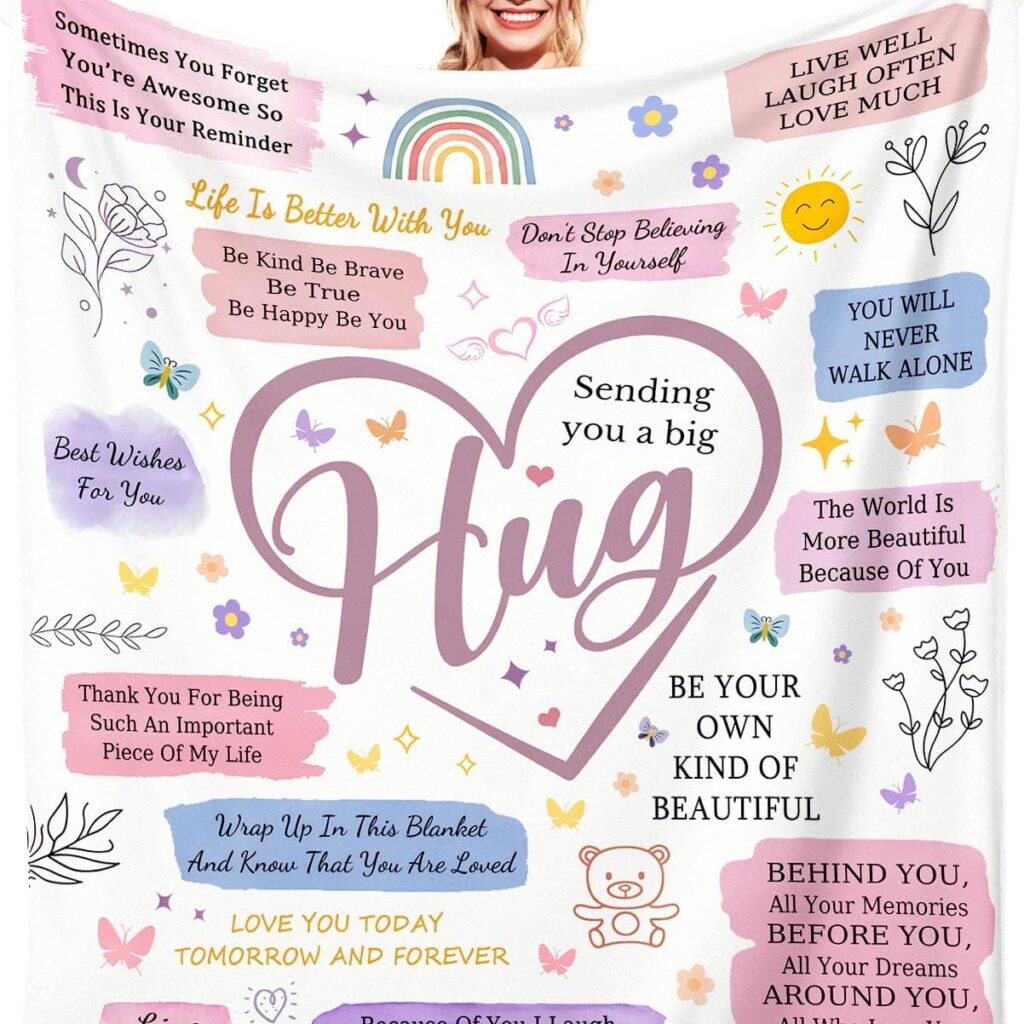
Gifts for Best Friend Women Blanket 150 x 130 cm | Thinking of You/Cheer up/Get Well Soon Gifts for Her Sister Girlfriend Bestie on Birthday Christmas, Flannel Hug Throw Friendship Present.

Something as simple as wrapping myself in a soft throw blanket helped my body feel held instead of tense, especially on days when emotions felt heavy. It didn’t erase the past but reminded my body that it no longer had to brace itself.

Practical Ways to Honour the Survivor in You (Today)

Here are gentle, doable shifts you can try with no pressure:

1️⃣ Stop Calling Rest “Doing Nothing.”

Rest is active recovery. Your body is processing, regulating, and healing.

2️⃣ Choose One Moment of Softness Daily

Not a routine, a moment. A pause. A breath. A comfort.

3️⃣ Let Your Body Lead

Ask, “What feels supportive right now?” Then listen without judgment.

4️⃣ Release the Need to Be Strong All the Time

You’ve already proven that. You don’t need to keep proving it.

This Is the Reframe That Changes Everything

You didn’t survive so you could stay in survival mode forever.

You survived so you could eventually feel:
• safe
• supported
• soft
• whole

Honouring that doesn’t undo your strength, it completes it.

Gentle Support Is Not Weakness

Sometimes healing looks like:
• fewer expectations
• slower evenings
• more compassion
• tools that make you feel safe in your body

I’ve shared the gentle tools that support my healing journey on my resources page not as solutions, but as supports.

👉 Explore the Resources & Tools I Use

Final Words

The version of you that survived carried you through.
Now it’s time to care for her.

You don’t need to rush healing.
You don’t need to harden yourself again.
You don’t need to stay strong to be worthy.

Rest is not the opposite of strength.
It’s what strength looks like after survival.

With warmth,
Annie’s Pen
Dream & Bloom by Annie

Affiliate Disclosure

Some links on this website may be affiliate links. As an Amazon Associate UK, I earn from qualifying purchases at no extra cost to you. I only recommend tools I genuinely use or trust.

Gemini_Generated_Image_krj98bkrj98bkrj9

When Everything Feels Like Too Much: How to Calm an Overstimulated Mind

Some days, it’s not that anything is wrong, it’s that everything feels like too much.

Too much noise.
Too many thoughts.
Too many demands pulling at you from every direction.

You sit down to rest, but your mind keeps racing.
You try to relax, but your body stays tense.
Even silence feels loud.

If this feels familiar, let me tell you something important right away:

You’re not weak. You’re overstimulated.

What an Overstimulated Mind Actually Is. An overstimulated mind isn’t about lack of discipline or motivation.

It happens when your nervous system has been exposed to:
• Constant noise
• Screens and notifications
• Emotional labour
• Decision-making without pause
• Never-ending mental input

Your brain doesn’t get time to reset so it stays in alert mode.

This is why:
• Rest doesn’t feel restful
• Focus feels impossible
• Small things irritate you
• You feel overwhelmed for “no clear reason”

It’s not in your head.
It’s in your nervous system.

The Good News: You Don’t Need a Full Life Reset

You don’t need to disappear.
You don’t need a retreat.
You don’t need to change who you are.

What you need is less input and more regulation.

Here are quick, practical fixes you can start today.

Quick Fix #1: Reduce Sensory Input (Not Productivity)

When your mind feels overloaded, the solution isn’t doing more it’s reducing what’s coming in.

Try this:
• Lower background noise
• Turn off unnecessary sounds
• Reduce screen time for short periods
• Choose quiet over constant stimulation

Even 10 minutes of reduced input helps your nervous system reset.

A Tool That Helped Me Create Mental Quiet

One thing that supported my overstimulated mind was intentionally blocking out noise.

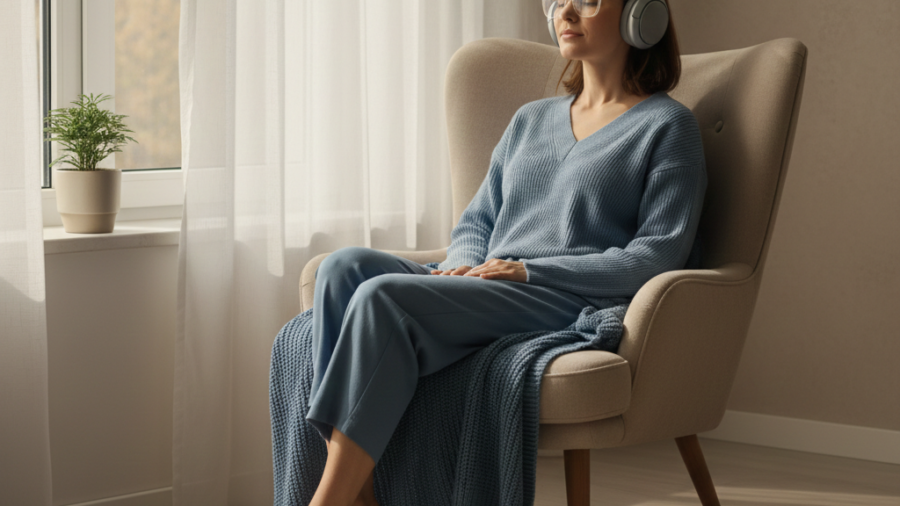
Not to escape life — but to give my brain a break. Using noise-cancelling headphones helped reduce background sounds, soften mental overwhelm, and create moments of quiet even in busy environments.

Ziffs Vision® Blue Light Blocking Glasses – Gaming Glasses – Premium Magnetic case & Accessories – Blue Light Glasses Women & Men – British Brand

This is the type of noise-cancelling headphones I use

They didn’t fix everything, but they helped my mind breathe again.

Quick Fix #2: Create a “Quiet Cue”

Your nervous system responds to signals, not instructions.

Choose one small cue that tells your body:
“It’s safe to slow down now.”

Examples:
• Sitting in silence for 3 minutes
• Closing your eyes and breathing deeply
• Listening to soft, neutral sounds
• Removing stimulation entirely for a moment

Do this daily, not perfectly. Consistency matters more than duration.

Quick Fix #3: Stop Explaining Your Need for Quiet

Many women stay overstimulated because they feel guilty for needing space.

Please hear this:

You do not need to justify your need for quiet.
You do not need permission to rest your mind.

Overstimulation is not a failure it’s feedback. Listening to it is self-respect.

Quick Fix #4: End the Day With Less Input, Not More

Scrolling until exhaustion keeps your nervous system active.

Instead, try this 3-minute reset before bed:
• Turn off bright lights
• Sit or lie comfortably
• Ask yourself:
“What can I let go of tonight?”

This helps your body transition out of alert mode.

Why Calm Feels So Hard And Why That’s Not Your Fault

We live in a world that constantly stimulates the mind but rarely teaches regulation.

If everything feels like too much, it doesn’t mean you’re failing at life.

It means your system needs care, not criticism.

Gentle Support Makes a Real Difference

You don’t need to overhaul your life.
You don’t need to be perfect.

Sometimes support looks like;
• Less noise
• Fewer expectations
• Softer boundaries
• Tools that protect your peace

I’ve shared the gentle tools that support my healing and regulation on my resources page not as solutions, but as supports.

👉 Explore the Resources & Tools I Use

Final Words

When everything feels like too much, slowing down isn’t weakness.

It’s wisdom.

You’re allowed to create quiet.
You’re allowed to protect your mental space.
You’re allowed to choose softness even in a loud world.

With warmth,
Annie’s Pen
Dream & Bloom by Annie

Affiliate Disclosure

Some links on this website may be affiliate links. As an Amazon Associate UK, I earn from qualifying purchases at no extra cost to you. I only recommend tools I genuinely use or trust.

image-gen

You’re Doing Everything Right So Why Do You Still Feel Stuck?

You wake up tired.
You move through the day on autopilot.
You lie down at night wondering why rest didn’t rest you.

And the most frustrating part?

You’re trying.

You’re doing the routines.
You’re showing up.
You’re pushing forward.

So why does it still feel like nothing is shifting?

Here’s the truth most women are never told:

You’re not stuck because you’re failing.
You’re stuck because your nervous system is overwhelmed.

The Real Problem (No One Explains This)

Most women don’t need more motivation.
They don’t need another planner. They don’t need to try harder. They need regulation.

When your nervous system is overloaded:
• Focus disappears
• Rest feels shallow
• Motivation drops
• Simple tasks feel heavy

This isn’t laziness. It’s emotional overload.

The good news?
There are small fixes that work fast.

Quick Fix #1: Stop Starting Your Day in Alert Mode

If the first thing you do in the morning is grab your phone, your nervous system immediately enters reaction mode.

Try this instead (5-minute reset):
• Don’t check your phone for the first 5 minutes
• Sit up and place your feet on the floor
• Take 5 slow breaths
• Say quietly or out loud:
“Today, I move gently.”

This lowers stress hormones almost immediately.

Quick Fix #2: Create One “Quiet Anchor” in Your Day

Your body needs one predictable moment of calm.

Not a full routine.
Not an hour.
Just one anchor.

Examples:
• Sitting quietly with a warm drink
• Writing one short page
• Sitting in silence with no stimulation

Why this works:

Your nervous system starts to anticipate safety, and that changes how the rest of your day feels.

A Tool That Helped Me Stay Consistent

One thing that helped me create this daily anchor was using a simple guided journal.

Not for productivity but for emotional unloading. Writing a few lines helped me release mental clutter instead of carrying it all day.

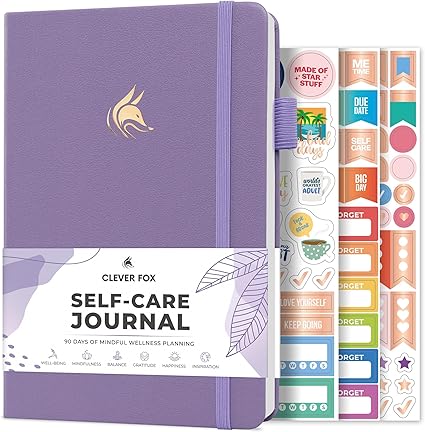
This is the guided journal I personally use

Clever Fox Self-Care Journal – Daily Reflection Notebook – Mental Health & Personal Development Planner, Meditation & Mood Log, A5 (Lavender)

It wasn’t about writing perfectly.
It was about creating space.

Quick Fix #3: Lower the Standard (Yes, Really)

One reason many women stay stuck is because their standards are set for a version of themselves that no longer exists.

If you’re emotionally tired:
• Do less but do it gently
• Aim for done, not perfect
• Let “enough” be enough

Progress doesn’t come from pressure.
It comes from permission.

Quick Fix #4: End the Day Before It Ends You

Instead of collapsing into bed overstimulated, try this 3-minute close-out:
• Turn off bright lights
• Sit or lie down
• Ask yourself:
“What did I survive today?”

This helps your body move from survival mode into rest mode.

The Shift Most Women Actually Need

You don’t need a new life.
You don’t need a personality overhaul.
You don’t need to become someone else.

You need support, not self-criticism.

And support can start small.

If You’re Feeling Seen Right Now…

Please hear this:

You’re not broken.
You’re not behind.
You’re responding to a world that asks too much.

Small changes can create real relief quickly.

I’ve shared the gentle tools that support my healing and regulation on my resources page not as solutions, but as supports.

👉 Explore the Resources & Tools I Use

Final Words

Being stuck doesn’t mean you’re failing.
It often means your body is asking for care not correction.

Slow doesn’t mean stagnant.
Gentle doesn’t mean weak.
And rest is not something you have to earn.

With warmth,
Annie’s Pen
Dream & Bloom by Annie
Affiliate Disclosure

Some links on this website may be affiliate links. As an Amazon Associate UK, I earn from qualifying purchases at no extra cost to you. I only recommend tools I genuinely use or trust.

image-gen (4)

You’re Not Lazy You’re Emotionally Exhausted

For a long time, I called it laziness.

The lack of motivation.
The slow mornings.
The days when simple tasks felt heavy.

I thought something was wrong with me. But the truth is this: I wasn’t lazy I was emotionally exhausted. And many women are.

The Tiredness No One Sees

Emotional exhaustion doesn’t always look dramatic. You’re still showing up. Still responding to messages. Still doing what needs to be done.

But inside, you feel drained not because you’re doing nothing, but because you’ve been carrying too much for too long.

Mental load.
Emotional labour.
Unspoken expectations.

Over time, your nervous system stays switched on even when your body wants rest.

Why Rest Feels Hard When You’re Emotionally Tired

When emotional exhaustion sets in, rest can feel uncomfortable.

You sit down but your mind keeps racing.
You lie down but your body stays tense.
You pause but guilt creeps in.

This happens because your nervous system hasn’t learned how to feel safe in stillness.

It’s not a character flaw.
It’s a survival response.

I Learnt I Needed to Protect My Mental Space

One thing that helped me wasn’t doing more it was reducing noise. Not just physical noise, but mental stimulation.

I started creating intentional quiet moments even in the middle of busy days. Sometimes that looked like stepping away, other times it looked like blocking out sound entirely.

A Gentle Tool That Helped Reduce Overstimulation

One of the tools that supported my emotional rest was using noise-cancelling headphones.

Not to escape life but to create boundaries.

Wearing them helped reduce overstimulation, calm my mind, and give my nervous system a break when everything felt too loud.

This is the noise-cancelling headphones I use:

GarageRock E7 Active Noise Cancelling Headphones Bluetooth and Wireless Headphones Over Ear with Microphone Deep Bass, Comfortable Protein Earpads, 30 Hours Playtime for Travel/Work, Black

It didn’t fix everything.
But it helped me breathe again, and that mattered.

Emotional Exhaustion Needs Gentleness, Not Pressure

If you’re emotionally exhausted, pushing harder won’t help.

What helps instead:
• Quieter moments
• Fewer expectations
• Supportive environments
• Permission to slow down

Healing begins when we stop blaming ourselves for being tired.

Please Hear This

If your energy feels low lately:

You are not lazy.
You are not weak.
You are not failing.

You are tired emotionally, mentally, deeply. And that deserves compassion, not criticism.

Small Supports Can Make a Big Difference

You don’t need to change your whole life.

Sometimes support looks like:
• Less noise
• More space
• Intentional boundaries
• Gentle tools that protect your peace

I’ve shared some of the tools that support my healing and soft living journey on my resources page not as solutions, but as supports that help make rest possible.

👉 Explore the Resources & Tools I Use

Final Words

Emotional exhaustion is not a personal failure.
It’s a sign you’ve been strong for a long time.

You don’t need to earn rest.
You don’t need to justify slowing down.
You don’t need permission to protect your peace.

With warmth,
Annie’s Pen
Dream & Bloom by Annie

Affiliate Disclosure

Some links on this website may be affiliate links. As an Amazon Associate UK, I earn from qualifying purchases at no extra cost to you. I only recommend tools I genuinely use or trust.

image-gen (3)

When Your Mind Is Tired but Life Keeps Demanding More

There are days when your body is present, but your mind is exhausted.

You show up.
You respond.
You keep going.

Yet inside, you feel stretched thin, not dramatic, just quietly overwhelmed.

This kind of tiredness doesn’t come from doing nothing.
It comes from carrying too much for too long.

The Tiredness We Don’t Talk About

Many women live with mental fatigue that doesn’t look obvious.

You’re functioning.
You’re coping.
You’re still showing up.

But your nervous system is constantly switched on.

And when your mind never gets a moment to soften, rest stops feeling restful.

I Realised I Needed to Support My Nervous System

I used to think rest meant sleep alone.

But I learnt something important: Sometimes your body needs signals, not instructions.

Signals that say:
• You are safe
• You can slow down
• You don’t need to be alert anymore

That’s when I started paying attention to how my evenings felt.

A Small Evening Ritual That Helped My Mind Slow Down

One of the gentle tools that supported my evening wind-down was using a quiet aromatherapy diffuser.

Not as a cure. Not as a fix.

But as a signal.

When the scent filled the room, my body began to associate that moment with rest and release. It helped create a boundary between the demands of the day and the stillness of the night.

This is the type of aromatherapy diffuser I use for my evening routine.

300 ml Essential Oil Scent Diffuser, Aroma Diffuser with Remote Control, Mist Humidifier with 7 Colors LED Lights and Timer function for Home, Office, Yoga, Relaxation & Better Sleep

It wasn’t about productivity or results. It was about creating an atmosphere where calm had permission to exist.

Why Small Rituals Matter

When life keeps demanding more, your nervous system needs gentleness not pressure.

Small rituals help because they:
• Tell your body it’s safe
• Reduce overstimulation
• Create emotional boundaries
• Encourage consistency without force

These moments don’t need to be perfect. They just need to be intentional.

You’re Not Weak for Needing Softness

If your mind feels tired even when you’re resting, please know this:

You are not lazy.
You are not failing.
You are not broken.

You are responding to a world that asks a lot. Sometimes healing looks like choosing softness on purpose.

Explore the Tools I Use

If you’re creating a gentler evening routine, I’ve shared some of the tools that support my healing and soft living journey on my resources page, not as solutions, but as gentle supports.

👉 Explore the Resources & Tools I Use

Final Words

You don’t need to do more to deserve rest.
You don’t need to explain your tiredness.
You don’t need to earn calm.

Sometimes, all your body is asking for is a quieter ending to the day.

With warmth,
Annie’s Pen
Dream & Bloom by Annie

Affiliate Disclosure

Some links on this website may be affiliate links. As an Amazon Associate UK, I earn from qualifying purchases at no extra cost to you. I only recommend tools I genuinely use or trust.

CALM

Soft Living Is Not Laziness: Why Slowing Down Is Part of Healing

For a long time, I believed rest had to be earned.

If I slowed down, I felt guilty.
If I paused, I questioned my worth.
If I chose softness, I wondered if I was falling behind.

Many women live this way, doing more, carrying more, and resting last. But healing taught me something important: Soft living is not laziness. It is intentional care.

Why Many Women Struggle to Rest

We live in a world that celebrates productivity but rarely honours wellbeing. As women, we’re often praised for how much we can endure being strong, resilient, and dependable. Over time, this pressure disconnects us from our bodies and emotions.

Rest starts to feel uncomfortable. Slowing down feels undeserved.

But the truth is this: Your nervous system cannot heal in survival mode. What Soft Living Really Means

Soft living doesn’t mean doing nothing. It doesn’t mean giving up ambition or responsibility.

It means:
• Creating gentler routines
• Allowing space for your emotions
• Listening to your body instead of overriding it
• Choosing presence over constant productivity

Soft living is about how life feels, not how busy you look.

How I Started Practicing Soft Living Intentionally

I didn’t change everything at once. I started with slowing my mind, not just my body. One of the most supportive changes I made was creating a small daily reflection ritual…. a few quiet minutes to unload my thoughts instead of carrying them to bed.

A Simple Tool That Helped Me Slow Down

One of the tools that supported my soft living journey was a guided journal. It gave me space to reflect, release emotional weight, and process my thoughts without judgement.

Writing helped me slow my mind, become more present, and gently reconnect with myself at the end of the day.

This is the guided journal I personally use

Clever Fox Self-Care Journal – Daily Reflection Notebook – Mental Health & Personal Development Planner, Meditation & Mood Log, A5 (Lavender)

It wasn’t about writing perfectly it was about giving my thoughts somewhere safe to land.

Soft Living Is a Form of Self-Respect

Choosing softness is not weakness.

It’s saying:
• I matter
• My emotions deserve space
• Rest is not something I need to earn

Soft living allowed me to stop proving my strength and start honouring my needs.

Creating a Softer Life Starts With Small Supports

You don’t need to change your whole life overnight.

Sometimes softness begins with:
• Five quiet minutes
• A pen and paper
• Permission to pause

I’ve shared some of the gentle tools that support my healing and soft living journey on my resources page not as solutions, but as supports that helped me create calme

👉 Explore the Resources & Tools I Use

A Gentle Reminder for You

You don’t have to earn rest.
You don’t have to justify slowing down.
You don’t have to wait until burnout forces you to pause.

Soft living is allowed especially for women who have been strong for too long.

Final Thoughts

Healing isn’t loud.
Sometimes it looks like sitting quietly with yourself.
Sometimes it looks like writing instead of suppressing.
Sometimes it looks like choosing softness on purpose.

Wherever you are in your journey, please know this:
You are allowed to slow down.

With warmth,
Annabel
Dream & Bloom by Annie
Affiliate Disclosure

Some links on this website may be affiliate links. As an Amazon Associate UK, I earn from qualifying purchases at no extra cost to you. I only recommend tools I genuinely use or trust.

image 2

Creating Calm in a Loud World | Simple Evening Routine for Inner Peace

Creating Calm in a Loud World

There was a season when silence felt louder than noise.
Even when the house was quiet, my mind wasn’t. Rest didn’t come easily, and peace felt like something I had to chase instead of something I could receive.

I realised something important during that time: I didn’t need a dramatic life change.
I needed small, intentional shifts that gently reminded my body and mind that it was safe to slow down.

This post isn’t about perfection or having life “figured out.” It’s about creating gentle pockets of calm in a world that constantly demands more from women.

Why Calm Feels So Hard to Access

Many women live in a constant state of alertness even when nothing is visibly wrong. Responsibilities. Expectations. Emotional labour.
Over time, your nervous system forgets how to switch off.I learned that calm doesn’t always come from sleep alone. It comes from environment, routine, and permission — permission to soften, to pause, and to stop performing strength all the time.

What Helped Me Create a Softer Evening Routine

I started paying attention to my space and how it made me feel. Not to fix myself but to support myself.

One of the simplest yet most effective changes I made was adjusting my evening lighting. I stopped using harsh overhead lights at night and introduced softer, warmer lighting instead.

A Soft Bedside Lamp That Changed My Evenings

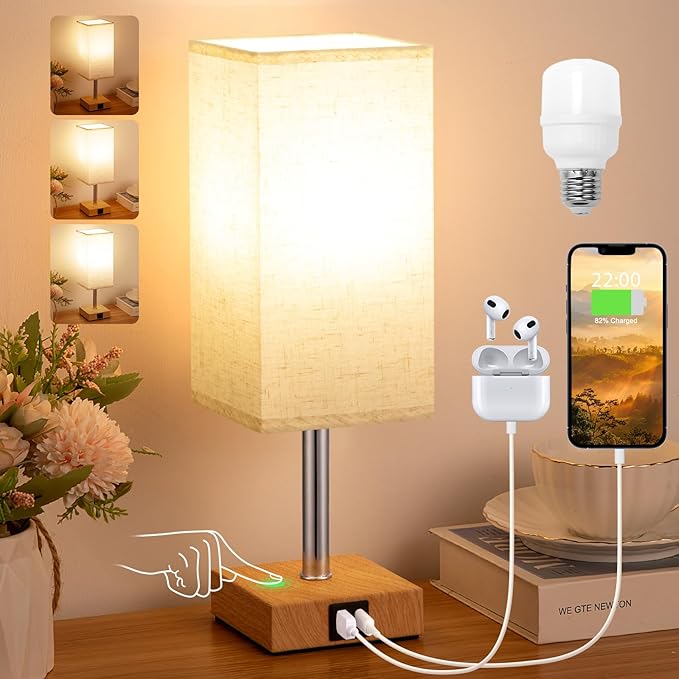
One of the tools that helped my evenings feel softer was a gentle bedside lamp. The warm glow reduces overstimulation at night, and I love that it has built-in USB-A and USB-C ports, which makes charging my phone easier and keeps my space feeling less cluttered.

Why I Changed My Lighting Routine

This is the soft bedside lamp I personally use
View the lamp on Amazon UK

Aooshine Bedside Lamps, Table Lamp for Living Room Bedroom, Touch Lamps Bedside with USB A+C Charging Ports, Dimmable Bedroom Lamp with Fabric Shade for Kids Room, Study, Dorm, Office (Bulb Included)

This small change alone helped my body recognise that the day was winding down. Nothing dramatic just a quiet signal that it was time to rest.

Creating Calm Is About Support, Not Solutions

I want to be clear about something:
Tools like this are not solutions. They don’t fix life or erase stress.

They are supports gentle aids that help create an environment where calm has a chance to exist.

Healing is not linear. Some days are easier than others.
But small, consistent gestures of care can slowly rebuild a sense of safety within you.

A Gentle Reminder for You

If you’re in a season where rest feels hard, please hear this:

You are not lazy.
You are not failing.
You are responding to life the best way you know how.

Sometimes, creating calm starts with something as small as how your space feels at night.

Explore the Tools I Use: If you’re trying to create a softer routine or a calmer living space, I’ve listed some of the tools I personally use and genuinely recommend on my resources page.

Final Words

Creating calm isn’t about escaping life. It’s about meeting yourself with compassion in the middle of it.

You don’t need to do more. You may simply need to soften your environment and your expectations of yourself.

With warmth,
Annabel
Dream & Bloom by Annie

Disclosure: As an Amazon Associate UK, I earn from qualifying purchases at no extra cost to you. I only recommend products I genuinely use or trust.

Tell me what helps you create calm in your evenings? Comment below i’d love to hear from you!